ser 10 pinstriping brush-In the realm of automotive customization and fine-line artistry, few tools carry…
Artist Spotlight: Daddy-O Pinstriping & The Mack Series 10 Advantage
In the world of custom automotive art, the line between a factory finish and a masterpiece is often defined by a single, hand-painted stroke. This tradition of hand-applied linework: known as pinstriping: serves as a vital link to the heritage of the hot rod and custom car culture. Today, we turn our spotlight toward an artist who exemplifies this dedication to the craft: Lucas Sassman of Daddy-O Pinstriping.
Central to the success of Sassman’s intricate designs is the synergy between the artist's hand and the tool he wields. For many professionals in the field, that tool is the Mack Brush Series 10, a brush that has remained the industry standard for decades.
The Artist: Lucas Sassman and the Daddy-O Legacy
Lucas Sassman, the creative force behind Daddy-O Pinstriping, approaches his work with a focus on machines that possess history and character. His style is rooted in traditional techniques, avoiding the sterile perfection of modern vinyl graphics in favor of the organic, slightly imperfect beauty of the human touch.
Operating out of a space where the scent of enamel paint and the sight of vintage steel are constants, Sassman has built a reputation for transforming ordinary surfaces into canvases. His portfolio spans a diverse range of items, from the sweeping fenders of 1930s roadsters to contemporary motorcycle helmets and even everyday tumblers.
The philosophy at Daddy-O is simple: every curve should tell a story. Whether he is laying down symmetrical patterns on a hood or adding a subtle accent to a custom guitar, Sassman’s work is characterized by a "flow" that complements the existing lines of the object. This level of customization requires not only an innate sense of design but also a mastery of the physical tools used to apply the medium.
Gallery: More of Daddy-O's Work
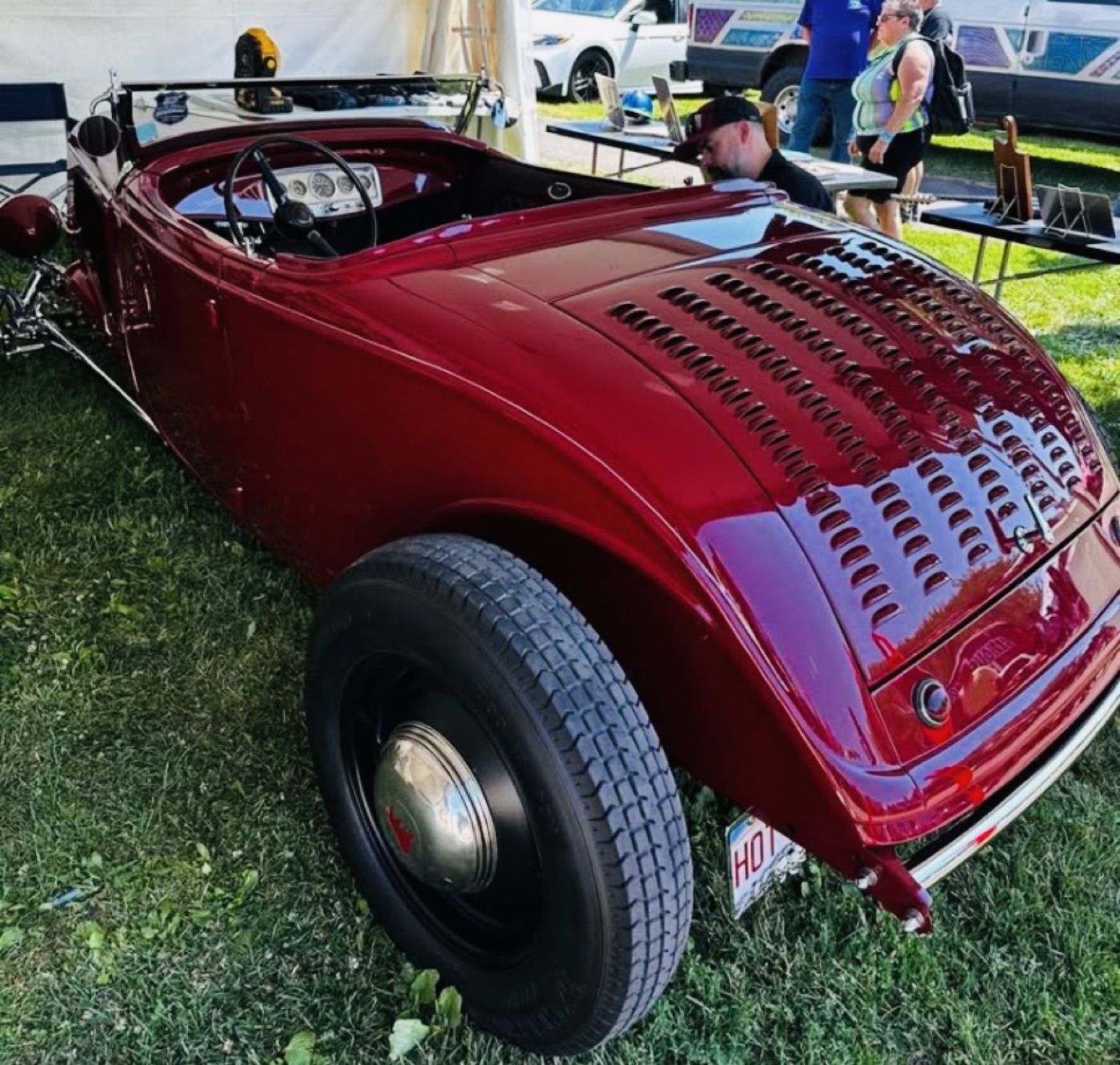
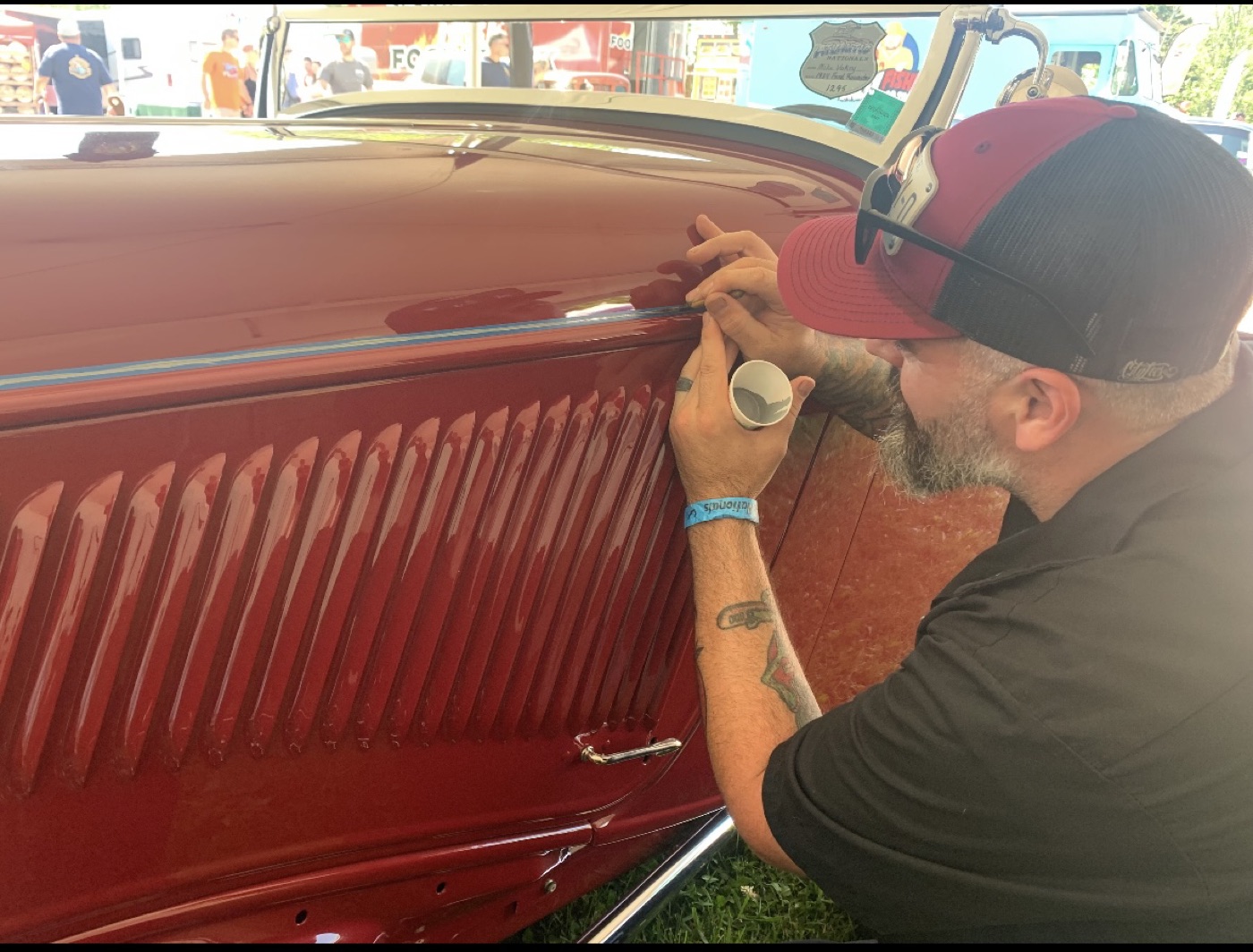
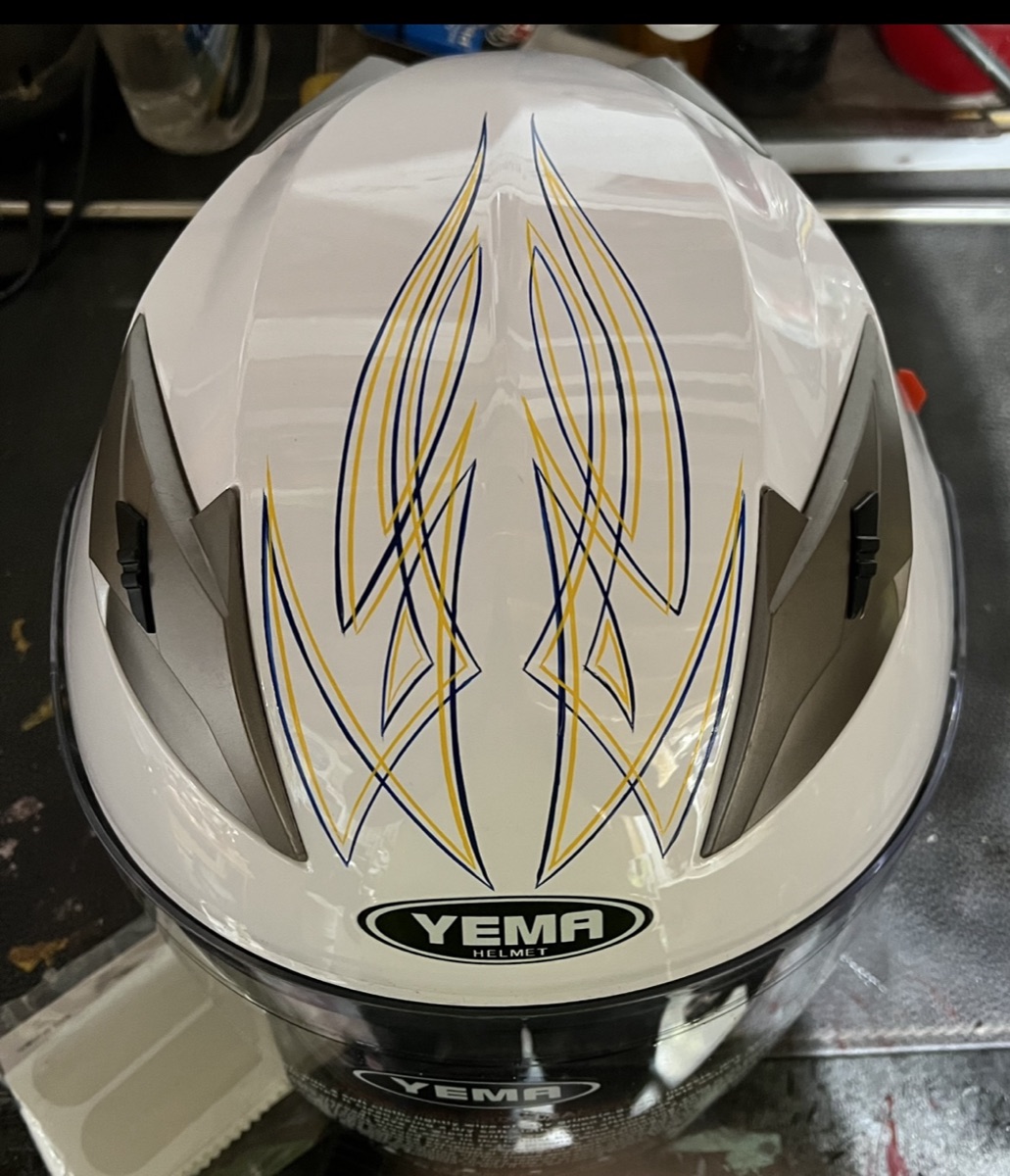
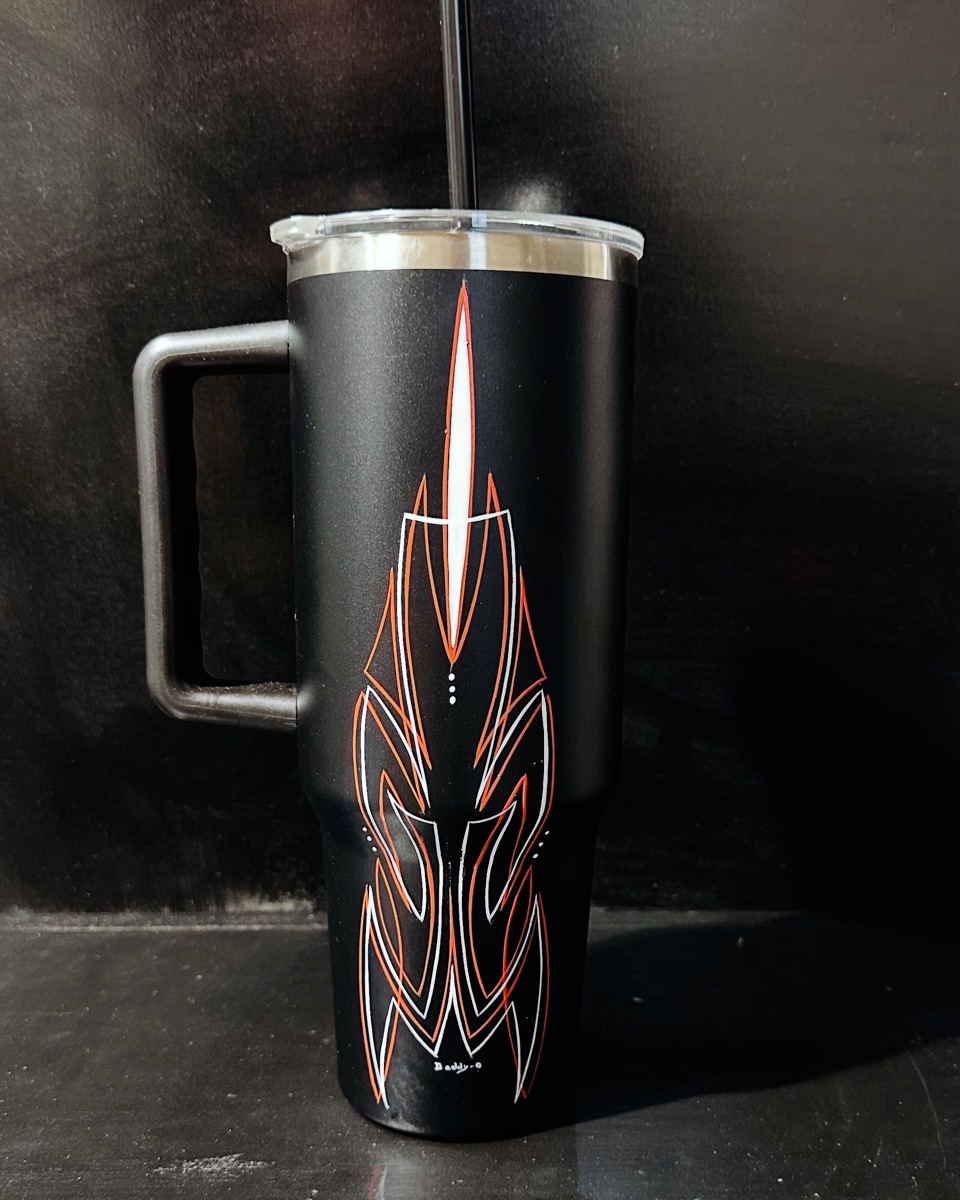
From Hot Rods to Helmets: The Versatility of Hand-Painted Lines
While pinstriping is most famously associated with the custom car and hot rod scene of the 1950s and 60s, Lucas Sassman demonstrates that the art form is remarkably adaptable.
- Automotive Customization: On large vehicles, pinstriping serves to accentuate body lines and break up solid colors. Sassman’s work on machines with "history and character" often involves reviving the aesthetic of a bygone era.
- Helmets and Gear: Applying lines to the complex, three-dimensional curves of a helmet require exceptional brush control. The Series 10 brush is particularly effective here, as its tapered bristles allow for smooth transitions around tight radii.
- Lifestyle Items: Pinstriping tumblers, toolboxes, and household items has become a hallmark of the modern pinstriping community. These smaller projects allow artists to experiment with color combinations and intricate pinstripe patterns.
The resurgence of interest in these artisanal techniques highlights a growing appreciation for the skill required to maintain a steady hand. In an age of mass production, a hand-striped item represents a unique collaboration between the owner and the artist.
The Tool: The Mack Brush Series 10 Advantage
To achieve the level of precision, the choice of brush is non-negotiable. The Mack Brush Ser. 10 is widely regarded as the premier pinstriping tool for a variety of technical reasons.
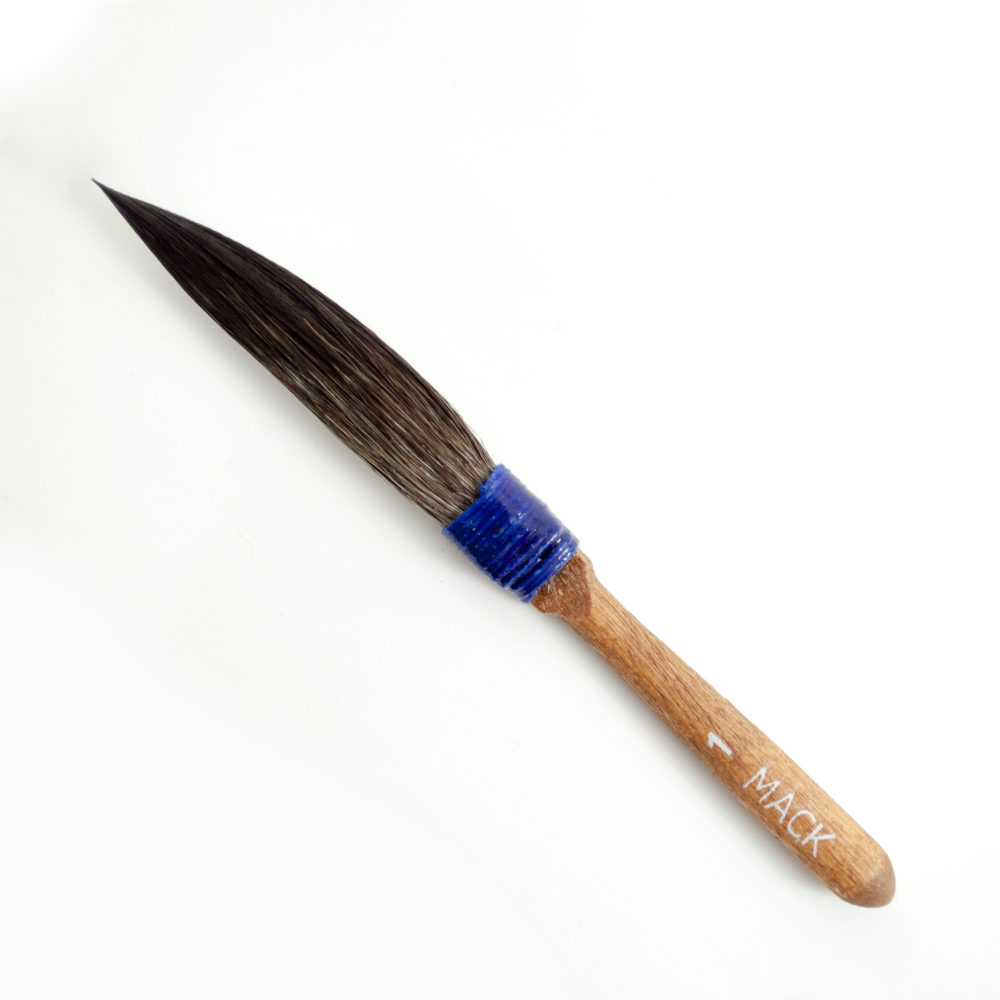
100% Unmixed Blue Squirrel Hair
The most critical feature of the Series 10 is the use of 100% unmixed blue squirrel hair. Blue squirrel hair is prized by pinstripers for its ability to hold a significant amount of paint while maintaining its shape. Unlike synthetic fibers, these natural bristles have a unique "snap" and flexibility that allow the artist to pull long, continuous lines without the brush running dry or losing its taper.
Handcrafted Tradition
Each Series 10 brush is handcrafted and shaped using methods that have remained largely unchanged for over a century. This dedication to traditional manufacturing ensures that every brush meets rigorous quality control standards regarding shape and cleanliness. The blue thread ferrule is the hallmark of the Series 10, signaling its authenticity to artists worldwide.
Precision and Control
Available in sizes ranging from the ultra-fine 0000 to the larger size 4, the Series 10 offers a tool for every specific need. The finely tapered bristles provide the artist with unparalleled control over line width. By varying the pressure applied to the brush, a skilled striper can transition from a hair-thin line to a bold stroke in a single movement.
Technical Guide: Handling the Series 10
Mastering the use of a professional pinstriping brush requires an understanding of how to prepare and load the tool correctly. For those looking to emulate the techniques used by artists like Lucas Sassman, the following steps are essential.
1. Clean the Brush: Before the first use, ensure the brush is free of any manufacturing dust. Dip the bristles in a mild solvent or brush cleaner and gently work them with your fingers.
2. Condition the Bristles: Use a dedicated brush oil to keep the squirrel hair supple. This prevents the bristles from becoming brittle and breaking over time.
3. Load the Paint: Dip the brush into the pinstriping enamel. Use a "paletteing" motion on a piece of glass or a magazine page to work the paint deep into the belly of the brush. The goal is to saturate the bristles evenly without overloading the tip.
4. Maintain the Taper: As you pull the brush through the paint during the loading process, ensure you are maintaining the flat, tapered shape of the bristles. A twisted or flared tip will result in inconsistent lines.
5. Control the Pressure: Place the tip of the brush on the surface and pull toward your body. Use your pinky finger as a "guide" or "outrigger" to maintain a consistent distance from the surface and to stabilize your hand.

Preserving the Craft
The longevity of a pinstriping brush is directly tied to the care it receives. Because the Mack Series 10 uses natural hair, it must be cleaned thoroughly after every session. Leaving enamel paint to dry in the ferrule will ruin the brush's ability to hold a point.
- Rinse thoroughly: Use mineral spirits or a specialized brush cleaner to remove all traces of paint.
- Re-oil: After cleaning, apply a generous amount of brush oil (such as Neatsfoot oil or a dedicated pinstriping oil) to the bristles.
- Store Flat: Use a durable metal brush case with internal spring holders to store your brushes. Storing them upright can cause the oil or remaining solvent to settle into the ferrule, potentially loosening the hair over time.
Conclusion: The Enduring Appeal of the Human Touch
As technology continues to offer faster, more "perfect" alternatives to traditional art, the work of Lucas Sassman and the enduring quality of the Mack Series 10 serve as a reminder of the value of craftsmanship. The imperfections of a hand-painted line are not flaws; they are the evidence of human effort and artistic expression.
By choosing authentic tools like those found at Pinstriper.com, both seasoned pros and passionate beginners help preserve decades of history and culture. Whether you are customizing a salt flat racer or a motorcycle tank, the right brush makes the difference between a simple paint job and a work of art.
For those inspired by the work of Daddy-O Pinstriping, the journey begins with a single line. With a Mack Series 10 in hand and a steady focus, the possibilities for customization are as endless as the curves of a vintage machine.
Comments (0)